

The short answer
Bloat that twists is called gastric dilatation-volvulus (GDV). The American College of Veterinary Surgeons (ACVS) calls it a rapidly progressive, life-threatening condition that needs immediate medical attention. If your dog has a swollen belly, retches without bringing anything up, drools, paces or collapses, call your vet or the nearest 24-hour emergency hospital now and go. Do not wait to see whether it passes. Large, deep-chested dogs are at higher risk, but any dog can be affected. Ask your vet today about prevention, including a preventive gastropexy, and save your emergency hospital’s number before you need it.
Key takeaways
- GDV is an emergency. The ACVS says stabilization and surgery are best done early in the course of the disease.
- The warning signs are a swollen belly, unproductive retching, drooling, restlessness, panting, weakness and collapse.
- Time matters. The Merck Veterinary Manual and the ACVS both link signs lasting more than 6 hours before treatment with worse outcomes.
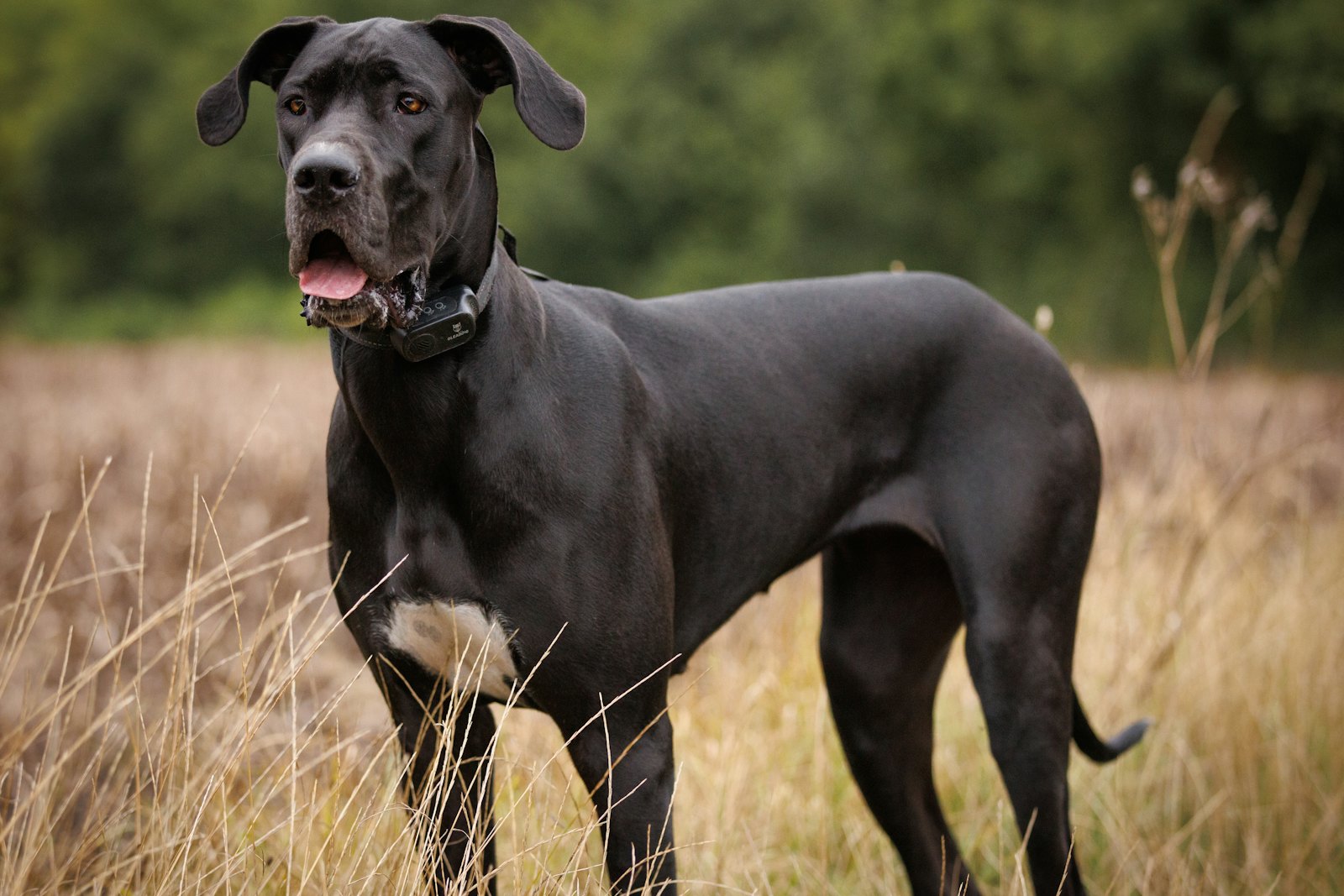
- Great Danes, Weimaraners, Saint Bernards, Irish Setters, Gordon Setters and Standard Poodles are on veterinary lists of at-risk breeds. The ACVS says nearly all breeds have been reported.
- A gastropexy (stitching the stomach to the body wall) should prevent the twist (Merck). It does not prevent the stomach from filling with gas, so signs still need a vet.
- Veterinary sources give different mortality figures, from 15% mortality (ACVS) to 20% to 45% for treated dogs (Merck). We found no Canadian source for a typical GDV bill, so ask the hospital for an estimate.
- Plan now. Ask your clinic what to do after hours, and keep a 24-hour hospital’s number in your phone.
What bloat and GDV are
The Ontario SPCA defines bloat as gastric dilatation: the stomach fills with gas, food and liquid. If the pressure is not relieved, the stomach can twist, which is called volvulus. A twisted stomach blocks both its entrance and its exit. Together the two steps are called GDV. The ACVS says the stretching and twisting can block blood flow, damage the stomach wall and impair breathing.
You cannot tell from the outside whether a swollen stomach has twisted. The Ontario SPCA says appearance alone cannot separate bloat from volvulus, so a vet needs X-rays and other tests. That is why a swollen belly is always a reason to go.
Signs to act on at once
| Stage | What you may see | Source |
|---|---|---|
| Early | An anxious look, looking at the belly, standing and stretching, drooling, a belly that is starting to swell, and retching without bringing anything up. The Merck manual lists nonproductive retching, hypersalivation and restlessness. | ACVS; Merck Veterinary Manual |
| Later | Panting, a bloated belly, weakness and collapse. Labored breathing can occur because the stomach presses on the diaphragm. | ACVS; Ontario SPCA |
| Shock | Weak pulses, a fast heart rate, pale gums, slow return of colour to the gums when pressed, and difficulty breathing. A vet checks these. | Merck Veterinary Manual |
What to do right now
- Call your clinic. If it is closed, call the nearest 24-hour emergency hospital. Say you suspect bloat so the team can prepare.
- Go now. The ACVS says dogs showing these signs should be evaluated by a veterinarian immediately. Ask someone to drive so you can stay with your dog.
- Do not give medication or try to make your dog vomit unless the veterinary team tells you to.
- Take your dog’s medical records only if you can grab them in seconds. Do not delay for them.
Ontario’s veterinary regulator, the College of Veterinarians of Ontario (CVO), requires vets to tell clients how to reach veterinary services outside regular hours. If you do not know your clinic’s answer, ask this week. Our guide to 24-hour emergency vets in Canada explains how to find one, and choosing a vet lists the after-hours questions to ask.
Which dogs are at higher risk
The Ontario SPCA says bloat most commonly affects large male dogs with deep chests, and that any dog can be affected. Veterinary lists of commonly seen breeds name Great Danes, Weimaraners, Saint Bernards, Irish Setters and Gordon Setters (ACVS). The Merck manual adds German Shepherd Dogs, Standard Poodles and Basset Hounds. Merck calls genetics “a proven risk factor”, including a deep, narrow chest and a first-degree relative that has had GDV.
| Risk factor | What the sources say |
|---|---|
| Chest shape and size | Deep chest (ACVS); large and giant breeds (ACVS; Merck). |
| Family history | A relative with GDV (ACVS); a first-degree relative (Merck). Merck says not to breed a dog with a first-degree relative that has had GDV. |
| Age | Advancing age (ACVS; Merck). |
| Feeding pattern | One large meal a day (ACVS; Ontario SPCA; Merck), rapid eating, and dry kibble only (Merck). |
| Temperament and stress | Stress, and fearful or aggressive behaviour (Merck; Ontario SPCA, which also names vigorous activity right after a large meal or a lot of water). |
| Body condition and history | Lean body condition and a previous splenectomy (Merck). |
| Food bowl height | The ACVS lists elevated feeding as a suggested risk factor. Merck advises avoiding elevated bowls for high-risk breeds. |
The ACVS also notes a 2006 study that linked dry foods listing oils or animal fat among the first four ingredients to higher risk. Do not change your dog’s food on that basis alone. Ask your vet.
What about doodles? Merck lists the Standard Poodle, and many doodles have a Standard Poodle parent. We found no Canadian source that gives doodle-specific GDV rates. Ask your vet to look at your dog’s chest shape and family history, and ask the breeder whether any parent, sibling or littermate has had bloat. Our questions to ask any breeder and meeting the mother guides help you ask. Any answer is information the breeder gives you; check it with your vet.
What the hospital will do
The ACVS and the Ontario SPCA describe the same path. X-rays confirm the diagnosis, and bloodwork and an ECG check for heart rhythm problems. The team starts treatment for shock with IV fluids and oxygen, and releases gas from the stomach with a stomach tube or a large needle. Surgery follows. The surgeon untwists the stomach, removes any dead tissue (a partial gastrectomy, or a splenectomy if the spleen is damaged) and attaches the stomach to the body wall so it cannot twist again. The ACVS says dogs stay in hospital for several days and rest for a few weeks.
Survival: what the numbers say, and what they do not
Sources disagree. The ACVS reports mortality of 15%. The Merck Veterinary Manual gives 20% for treated animals in its introduction, 25% to 30% in its treatment section and 20% to 45% in its key points. We could not reconcile them, so do not rely on any single figure.
The sources agree on what makes outcomes worse. The ACVS lists signs lasting more than 6 hours, heart rhythm problems before surgery, removal of part of the stomach and removal of the spleen. Merck lists signs lasting more than 6 hours before examination as linked to short-term death. We found no Canadian source that gives a fixed number of hours a dog can wait, and this guide does not give one. Go now.
Cost and insurance
We found no Canadian source that gives a typical price for GDV surgery, so we give none. The CVO’s informed client consent standard says a veterinarian should give an estimated cost of the proposed diagnostics and treatment, using a range when appropriate, and should explain reasonable alternatives and the consequences of declining. In an emergency, ask for the estimate and ask what each option involves. The Ontario Veterinary Medical Association (OVMA) 2026-27 cost sheet lists $977 for pet insurance in its annual puppy costs and says the cost depends on the pet, the policy and the coverage chosen. Before you buy, read the waiting period, the treatment of existing conditions, the deductible, the payout share and any yearly limit. Our first-year vet visit guide shows where insurance fits in the first year.
Prevention: what you can do
Preventive gastropexy
The Ontario SPCA calls gastropexy the most effective prevention, and says it can be done at spay or neuter for predisposed dogs. The ACVS says many surgeons recommend it for at-risk breeds or for dogs with affected relatives, and lists keyhole options (laparoscopic-assisted, endoscopically assisted and a limited-approach grid technique). Merck says it “has not been shown to prevent bloat (gastric dilation)” but “should prevent the life-threatening volvulus”. Ask your vet whether it suits your dog and what it costs at your clinic. If you plan to spay or neuter, ask before the surgery date. The OVMA 2026-27 average for neuter or spay is $1,136 or $1,033, and it does not price a gastropexy.
Feeding and daily habits
- Feed 2 or 3 smaller meals a day instead of one large meal (ACVS). For puppies, see what your puppy should eat and how much.
- Use a slow feeder for a dog that eats fast (Ontario SPCA).
- Allow time for digestion before hard exercise (Ontario SPCA). Merck advises restricting exercise before and after meals for high-risk breeds.
- Find and reduce stress, especially for anxious dogs, and keep mealtimes calm (Ontario SPCA; Merck).
- Ask your vet before you use a raised bowl. Merck advises avoiding elevated bowls for high-risk breeds.
- For a senior dog, ask your vet about risk at each check-up. See senior dogs: what changes after age seven.
Plan before it happens
- Save the number and address of your nearest 24-hour emergency hospital in your phone. The PawTrace vet finder flags hospitals with 24-hour emergency care and shows where each listing’s details came from. Call the hospital before you drive, because hours and services may change.
- Ask your clinic what it does after hours. The CVO requires vets to tell clients how to reach care, and to tell them promptly when those arrangements change.
- Ask your vet at the first visit whether your puppy’s breed or family history raises GDV risk, and when to discuss a gastropexy. The new puppy hub collects the first steps.
- Keep a written list of your dog’s medicines and conditions for the hospital team.
Myth vs fact
| Myth | Fact |
|---|---|
| He ate too fast. It will pass. | Fast eating is a listed risk factor (Merck). A dog that is retching with a swollen belly needs a vet now. The ACVS says early treatment gives the best results. |
| Only big, old dogs get bloat. | Risk rises with age and size, and large deep-chested dogs are most often affected. The ACVS says nearly all breeds have been reported and the Ontario SPCA says any dog can be affected. |
| A raised food bowl prevents bloat. | Merck advises avoiding elevated bowls for high-risk breeds, and the ACVS lists elevated feeding as a suggested risk factor. Ask your vet. |
| A gastropexy means my dog can never bloat. | Merck says a gastropexy has not been shown to prevent gastric dilation. It should prevent the life-threatening twist. Signs still need a vet. |
| I can tell at home whether it is serious. | The Ontario SPCA says appearance alone cannot separate bloat from volvulus. A vet needs X-rays. |
Frequently asked questions
How fast can bloat kill a dog?
The sources do not give one time. The ACVS and Merck link signs lasting more than 6 hours with worse outcomes, and the Ontario SPCA says GDV needs immediate veterinary intervention. Treat any suspicion as an emergency and go now.
What is the difference between bloat and GDV?
Bloat (gastric dilatation) is a stomach stretched by gas, food or fluid. GDV adds the twist (volvulus), which blocks the stomach’s entrance and exit and cuts off blood flow. Only a vet can tell which one your dog has.
Can small dogs get bloat?
The Ontario SPCA says any dog can be affected, and the ACVS says nearly all breeds have been reported. Large and giant deep-chested breeds are the ones most often named. If a small dog shows the signs above, call a vet.
Does a gastropexy prevent bloat completely?
No. It should prevent the twist, which is the most dangerous part, but the stomach can still fill with gas. Signs still need a vet.
Should my dog have a preventive gastropexy?
Ask your vet. The Ontario SPCA and the ACVS describe it as a prevention option for at-risk dogs, and it can be done at spay or neuter. Your vet can weigh breed, family history and cost for your dog.
Does pet insurance cover GDV?
It depends on the policy. Read the wording for waiting periods, existing-condition rules, deductibles, payout shares and limits before you buy, and ask the insurer in writing.
What should I tell the hospital when I call?
Say your dog’s breed, age and weight, when the signs started, and that you suspect bloat. Then follow the team’s instructions on the way.
Last reviewed October 19 2026. General information, not veterinary advice. If your dog is unwell, call your vet or an emergency hospital.
Keep reading
- 24-hour emergency vets in Canada
- Choosing a vet and what the first visit covers
- What your puppy should eat and how much
- Senior dogs: what changes after age seven
- Questions to ask any breeder before you pay a deposit
Sources
- American College of Veterinary Surgeons: gastric dilatation-volvulus (U.S. organization; page last modified October 30 2023) (checked October 2026)
- Merck Veterinary Manual: gastric dilation and volvulus in small animals (U.S.) (checked October 2026)
- Ontario SPCA: What is bloat and why is it so dangerous for dogs? (Dr. Joey Tang, DVM, May 12 2025) (checked October 2026)
- College of Veterinarians of Ontario: After-Hours Care Services standard (checked October 2026)
- College of Veterinarians of Ontario: Informed Client Consent standard (revised October 2023) (checked October 2026)
- Ontario Veterinary Medical Association: annual cost of owning a puppy or dog, 2026-27 (checked October 2026)
Keep reading